
- Home
- About
- Products
- SHOP
- Markets
- Applications
- Support
- Contact Us
- Latest News
Latest News
Latest News
The latest news stories relating to our range of load cell and instrumentation products can be viewed below. This section will be updated regularly with application stories, articles, product updates and other interesting information relating to LCM Systems.
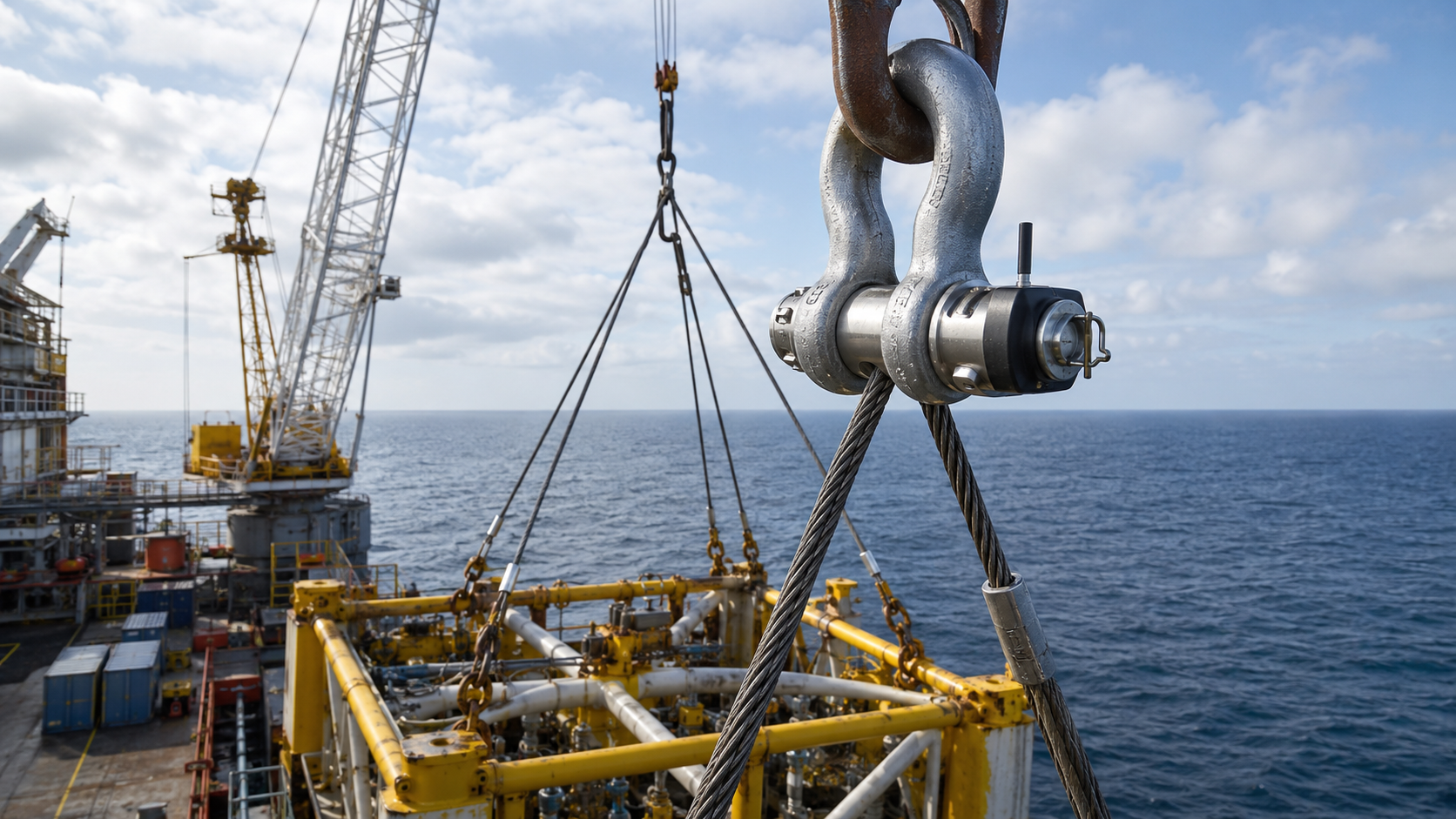
How Do You Specify the Right Load Cell for Offshore Lifting Applications?
26th May 2026Specifying the correct load monitoring equipment for offshore lifting is rarely straightforward. Offshore oil and gas operations involve a wide range of lifting systems – each with different mechanical arrangements, environmental conditions and operational demands.
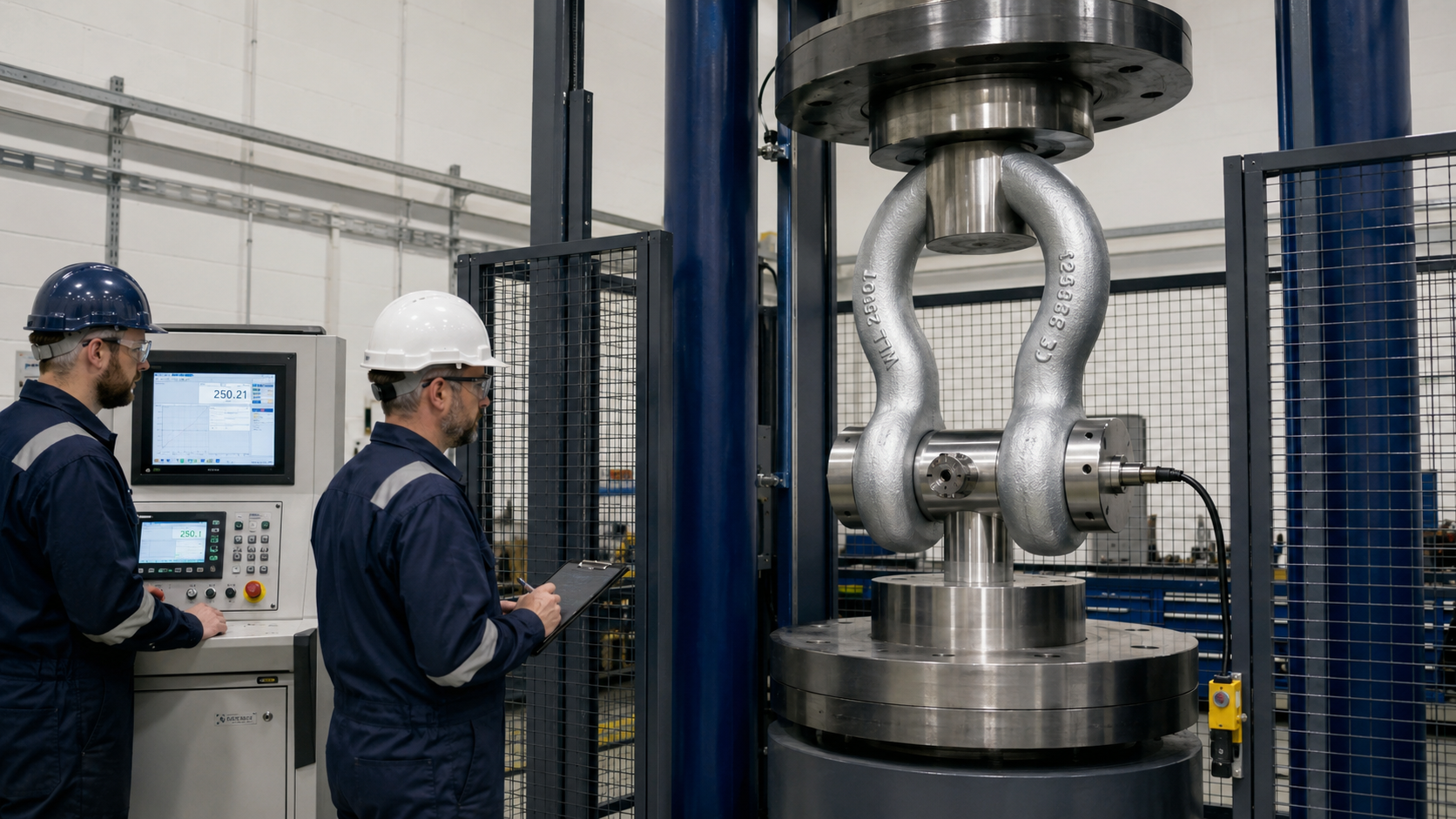
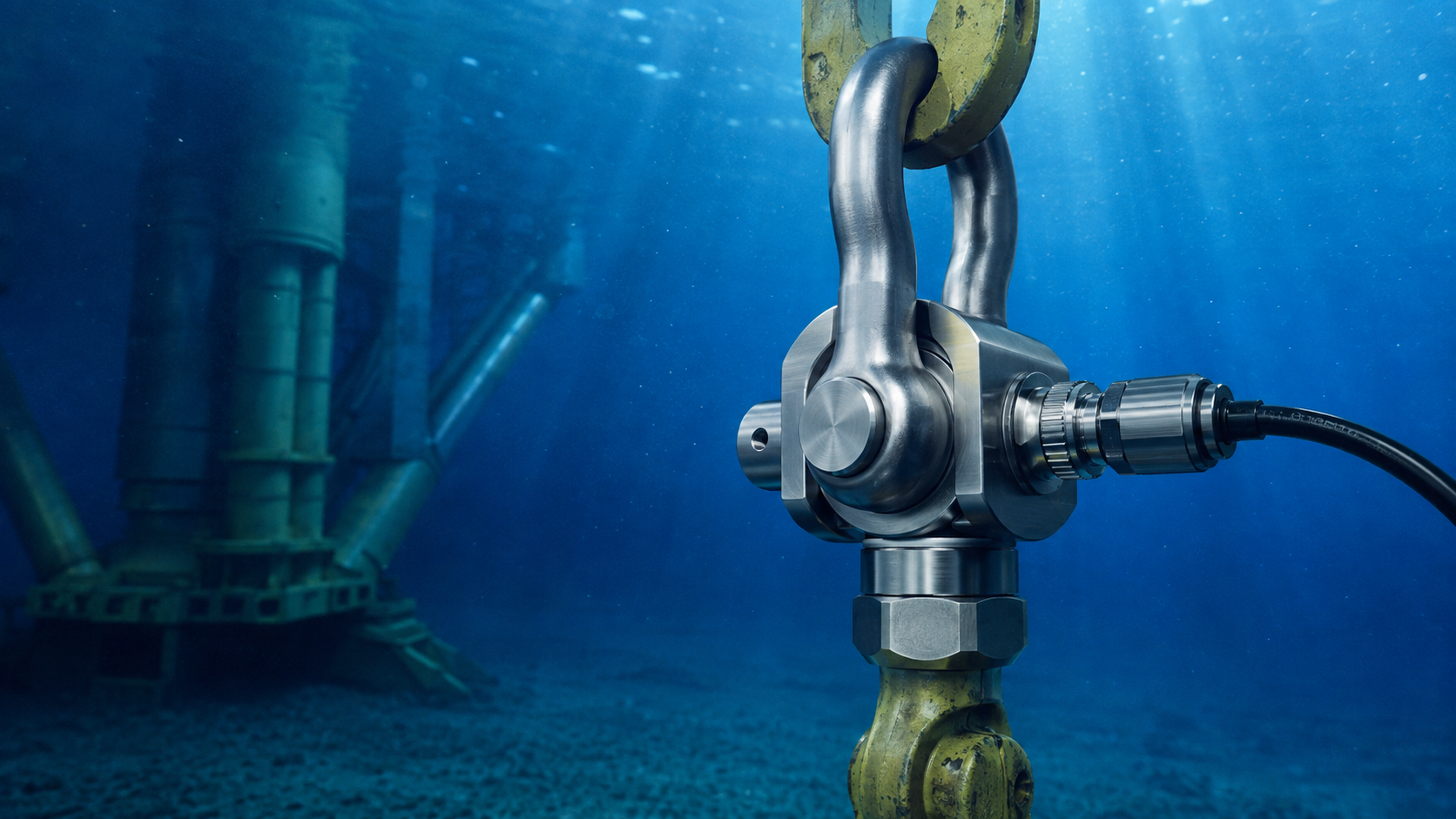
How Do Offshore Load Cells Withstand Harsh Marine Environments?
19th May 2026Offshore oil and gas environments are among the most demanding operating conditions faced by industrial instrumentation and load monitoring equipment. Constant exposure to seawater, salt-laden air, vibration, dynamic loading and severe weather creates a challenging environment in which equipment reliability is absolutely critical.

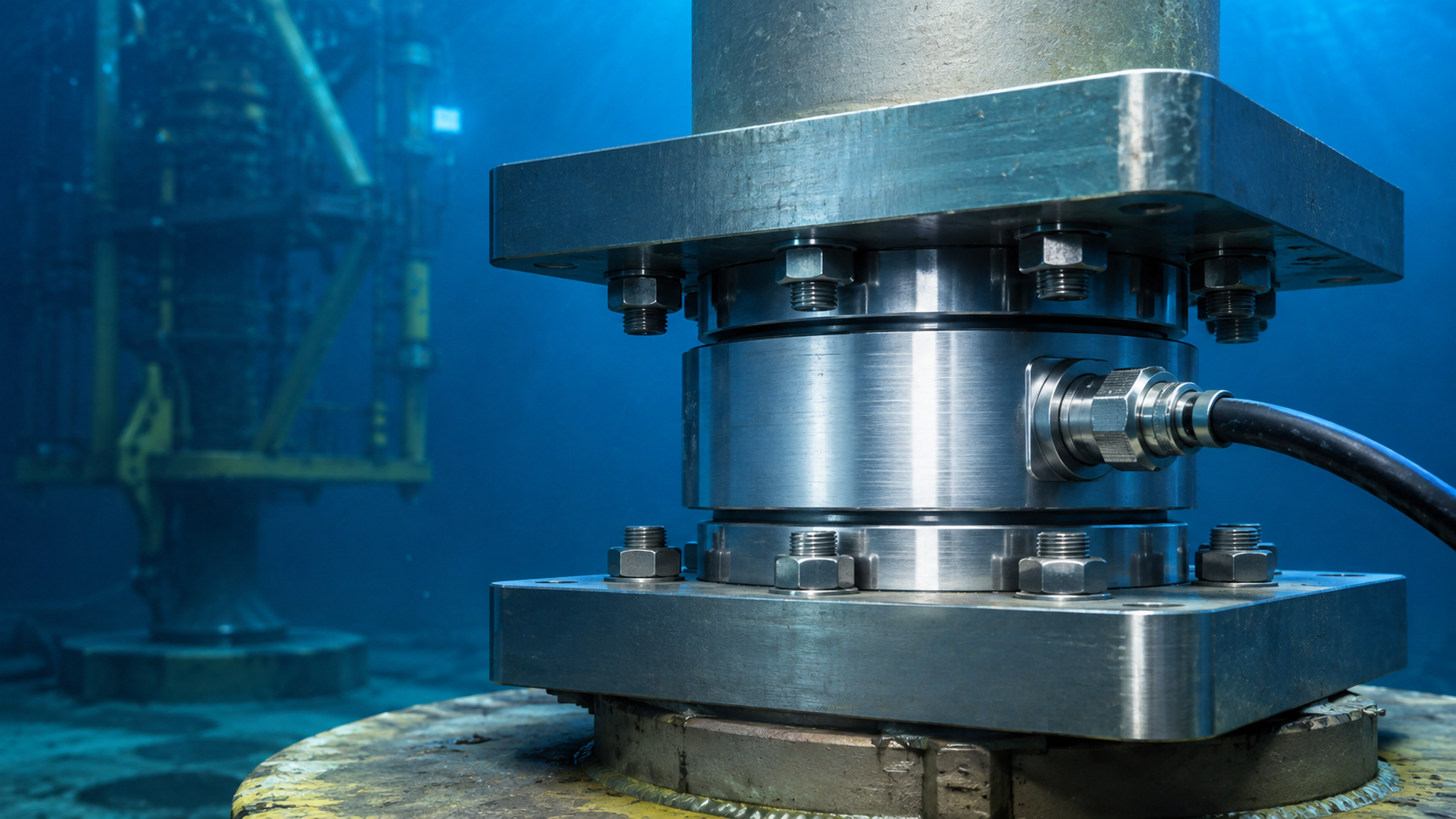
Subsea Load Cells for Offshore and Deepwater Applications: What Really Matters
14th May 2026When specifying a subsea load cell for offshore or underwater applications, marine engineers face a very different set of challenges compared with conventional industrial environments. In subsea operations, failure is not merely inconvenient – it can result in costly vessel downtime, failed lifting operations, damaged infrastructure or expensive retrieval operations.
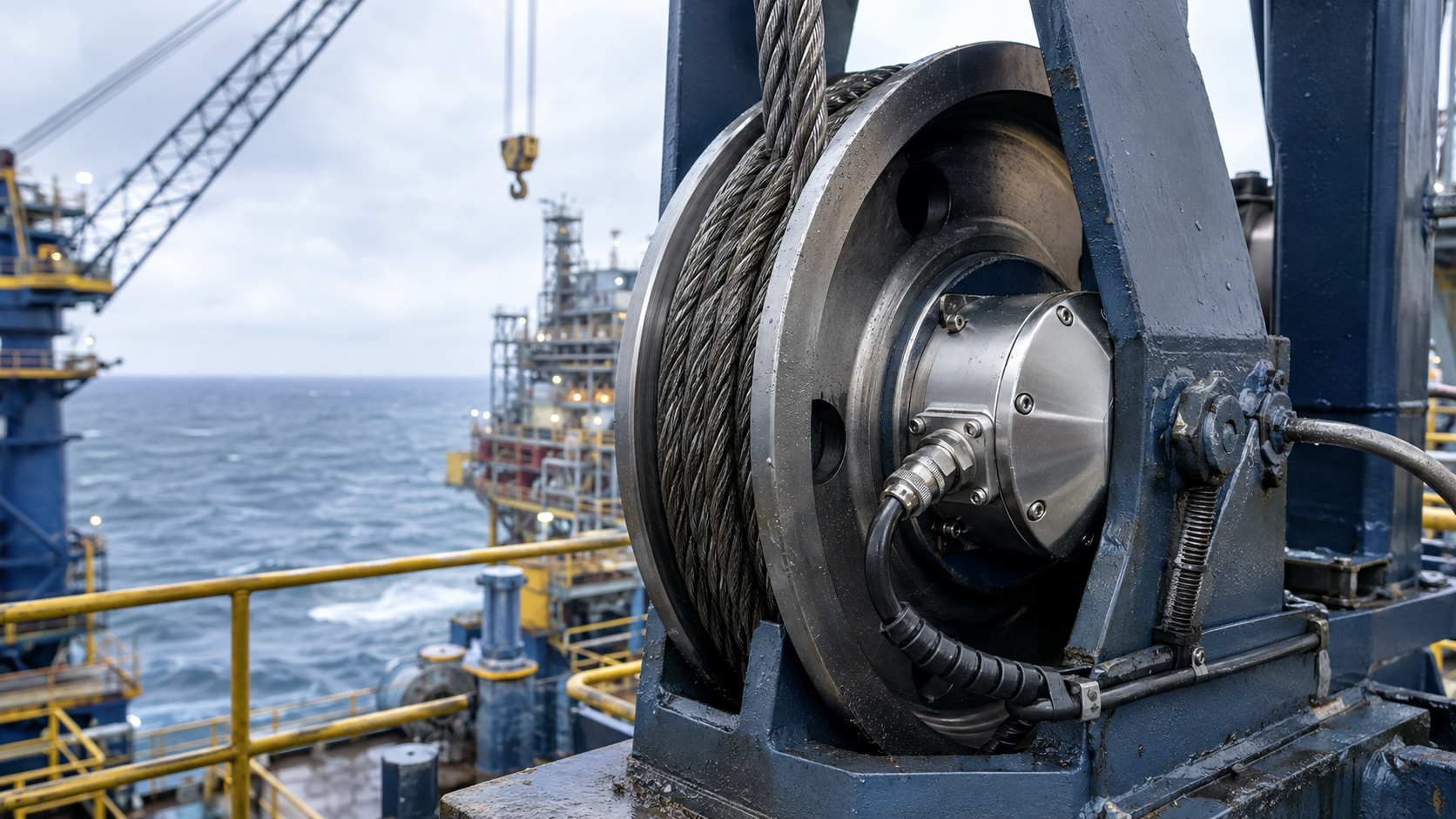
Which Load Cell Types Are Best for Offshore Oil and Gas Applications?
14th May 2026Offshore oil and gas operations place enormous demands on lifting and load monitoring equipment. Whether installed on offshore cranes, mooring systems, winches, riser tensioning systems or subsea handling equipment, offshore load cells must continue to operate reliably under some of the harshest conditions found anywhere in industry.


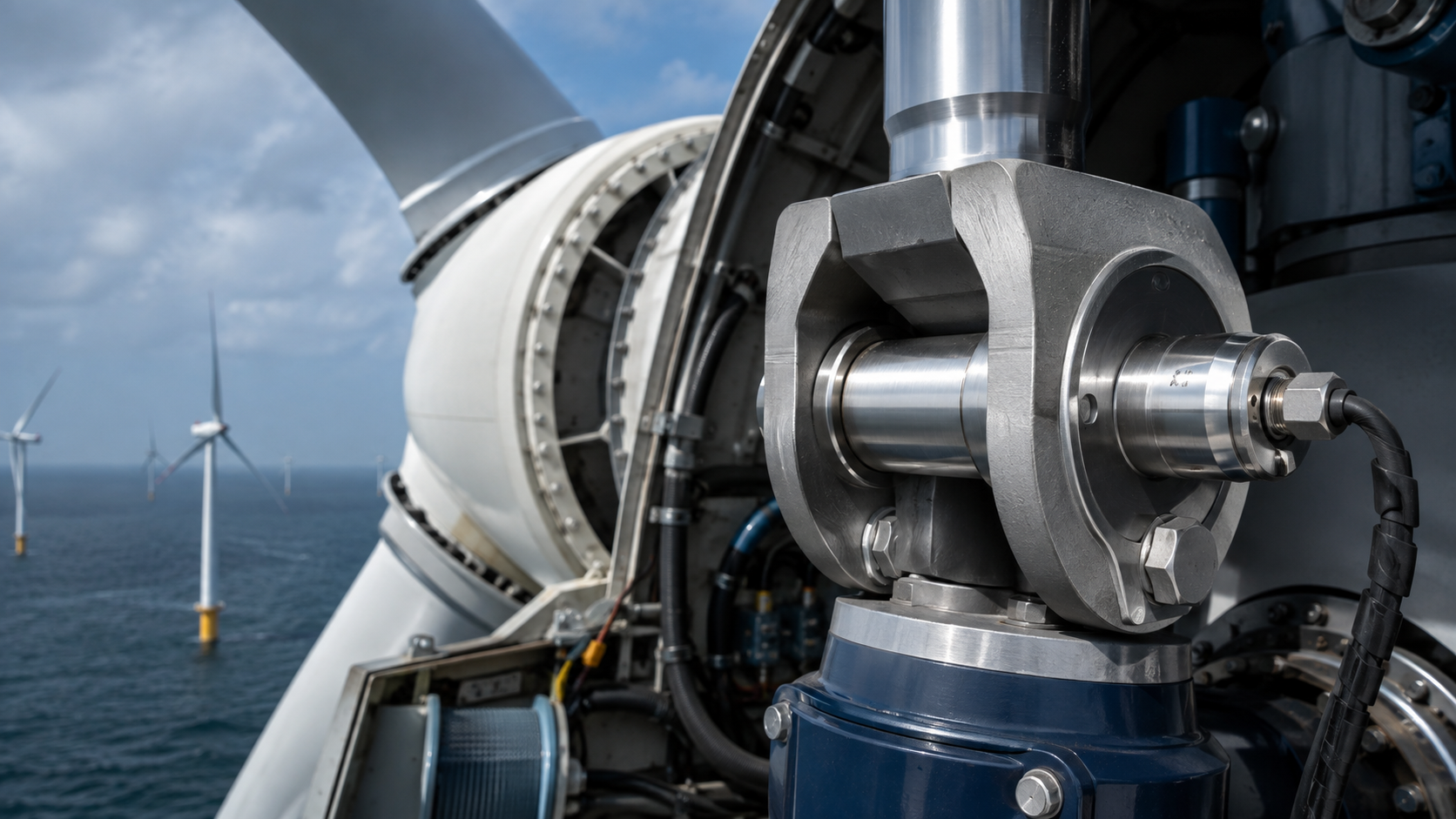
Which Are The Best Load Cells For Wind Turbines?
8th Jan 2026For wind turbine blade and pitch system loads, instrumented load pins installed in pitch links or actuator clevises are generally the best solution because they sit directly in the force path and can withstand high cyclic loads.
